.png)
OVAL JAPAN (Eng.)
2025.3.27
Student organisation organising one of the largest international business competitions in East Asia with university students from China, Japan and Korea.
Basic Information
| Number of Members | Around 40 students per academic year (about 20 students each in spring and autumn). |
|---|---|
| Participation Grades | Undergraduate students only |
| Selection Process Info | Has a selection |
| Annual Membership Fee | o yen |
| Frequency of Activities | Every Thursday face-to-face meeting in available places |
| LINE | |
| Website | |
| Official Email Address | ovaljapan.gakusei[a]gmail.com (Please send an email with [a] as @.) |
A Look at Their Activities
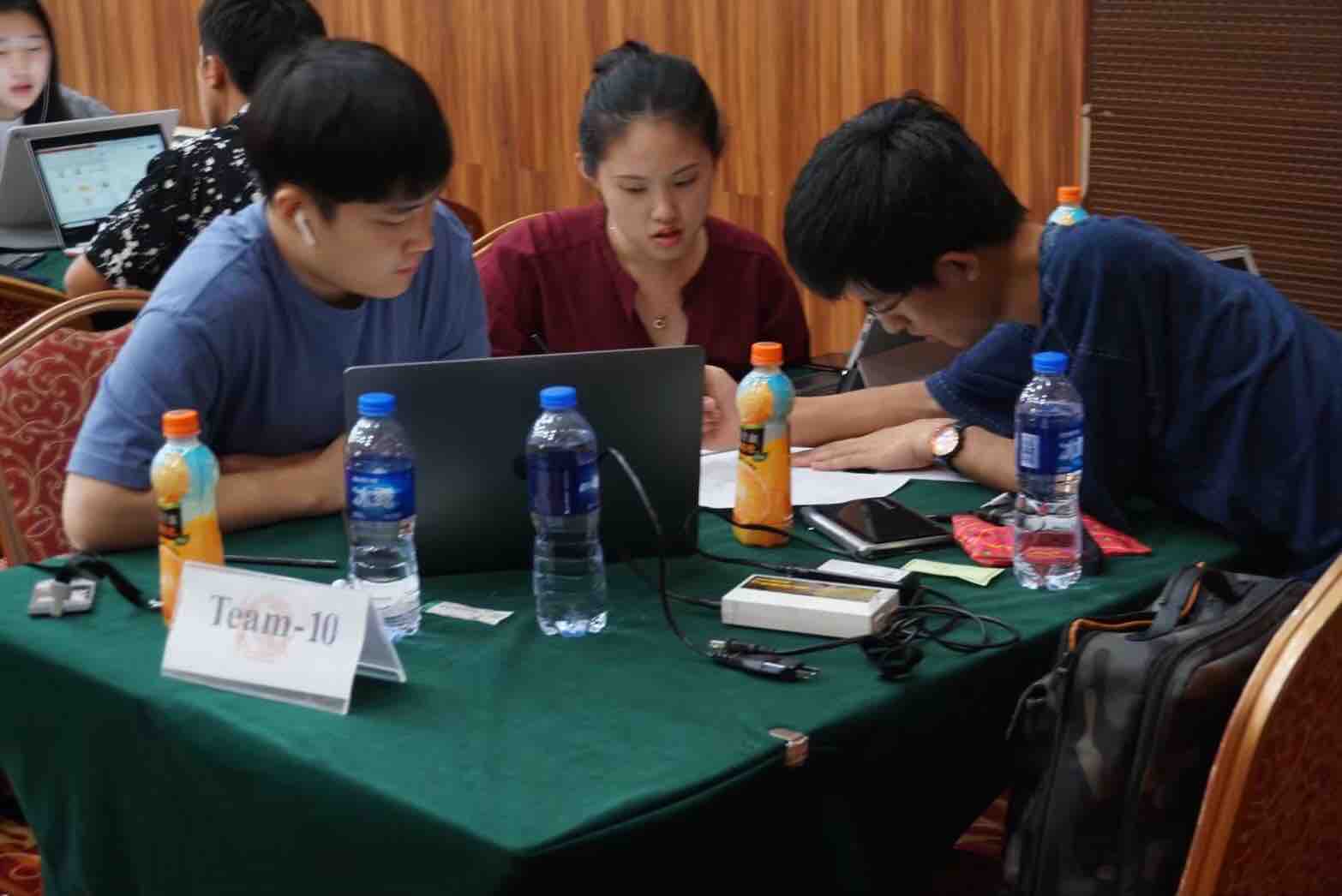
Overview
- The name OVAL is based on the philosophy ‘Our Vision for Asian Leadership’ (‘producing East Asia's first global leaders’), and was formed in 2003 when members who met at the Business contest KING hit it off. (For this reason, it is a sister organisation to KING and GEIL, the student organisation that runs the policy-making contest, which was derived from WAAV, Japan's largest student think-tank in the 1990s, and works with them on events and new members.)
Since then, the ‘IBC (International Business Contest for Students)’ has been held in China in 2005, and every year since then, a business contest has been held in one of the three countries. The contest has been held every year in one of the three countries.
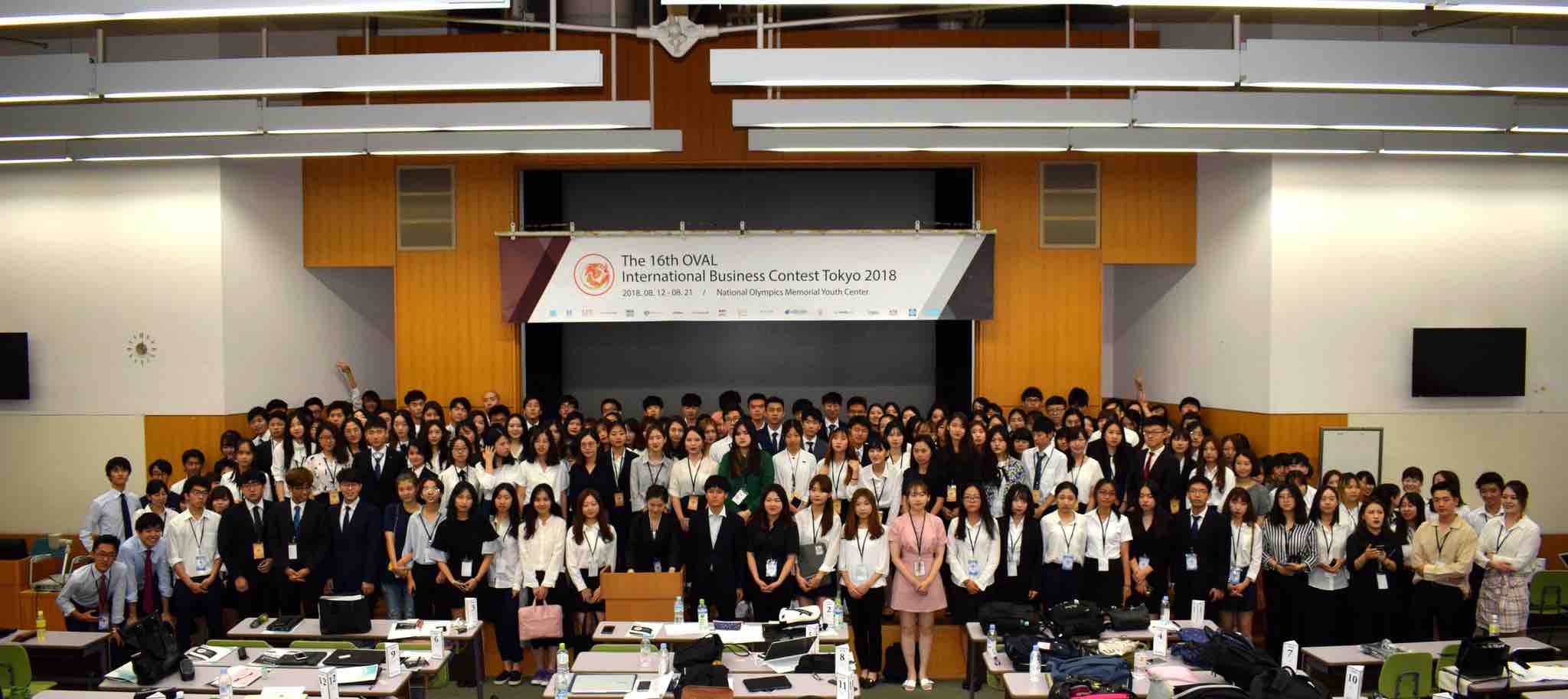
- The IBC (International Business Contest for Students) is organised by OVAL JAPAN in cooperation with the organising committees of OVAL CHINA and OVAL KOREA In the IBC, participants are recruited and selected from the three countries, and then teams are formed in groups of three, one from each country . Each team develops a business plan based on a given theme each year.
Examples of themes include ‘Make an online business plan about services or products that seniors specifically can use. Make a business plan using gamification to solve problems in education. In addition to participating in two or three study sessions held before the contest to learn about the steps and cautions in making a business plan from a working professional from a major consultancy, participants are provided with support in advance to attend the Pre IBC, a two-day event where they learn to formulate a business plan in a way that is similar to the real thing.
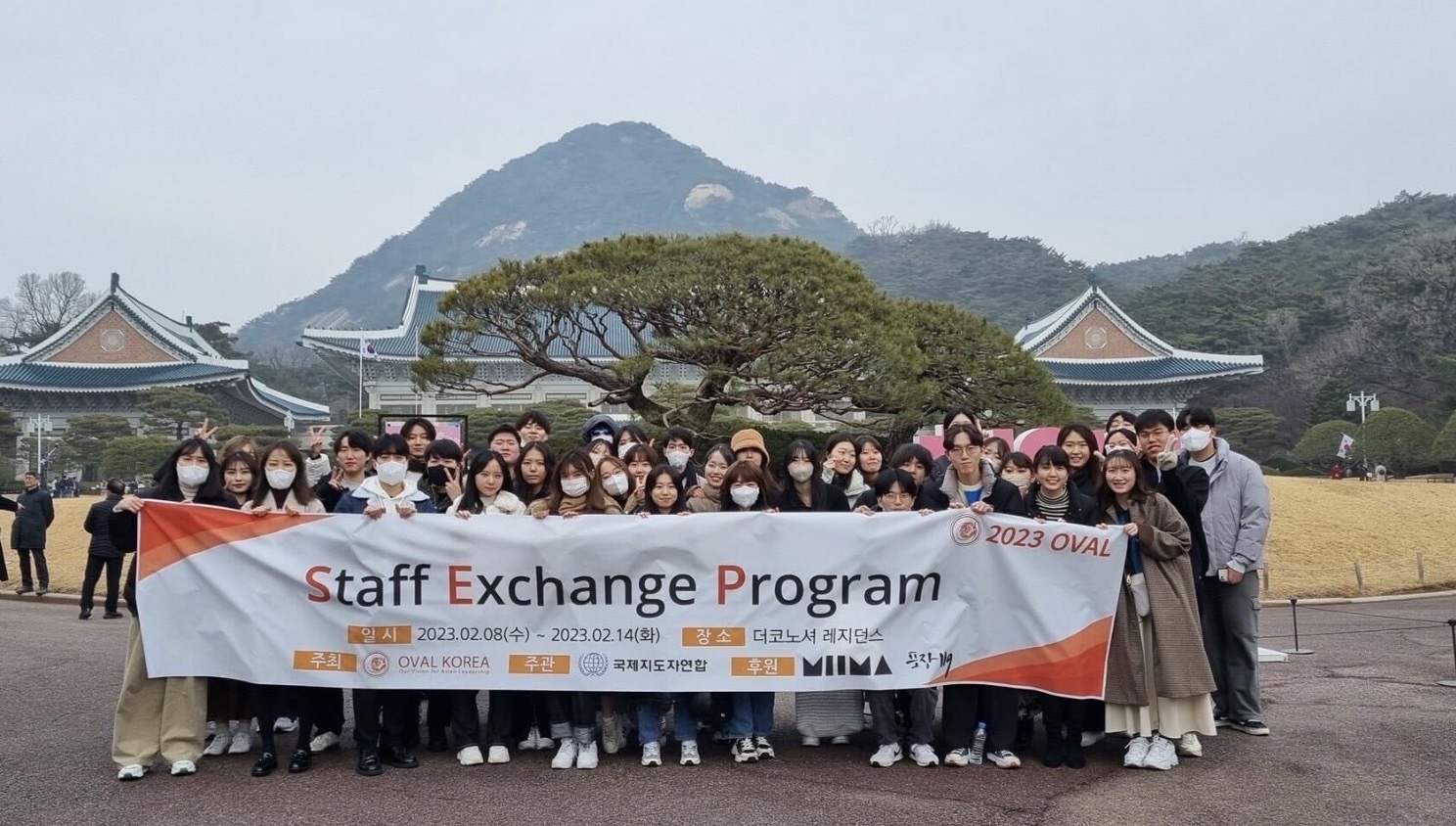
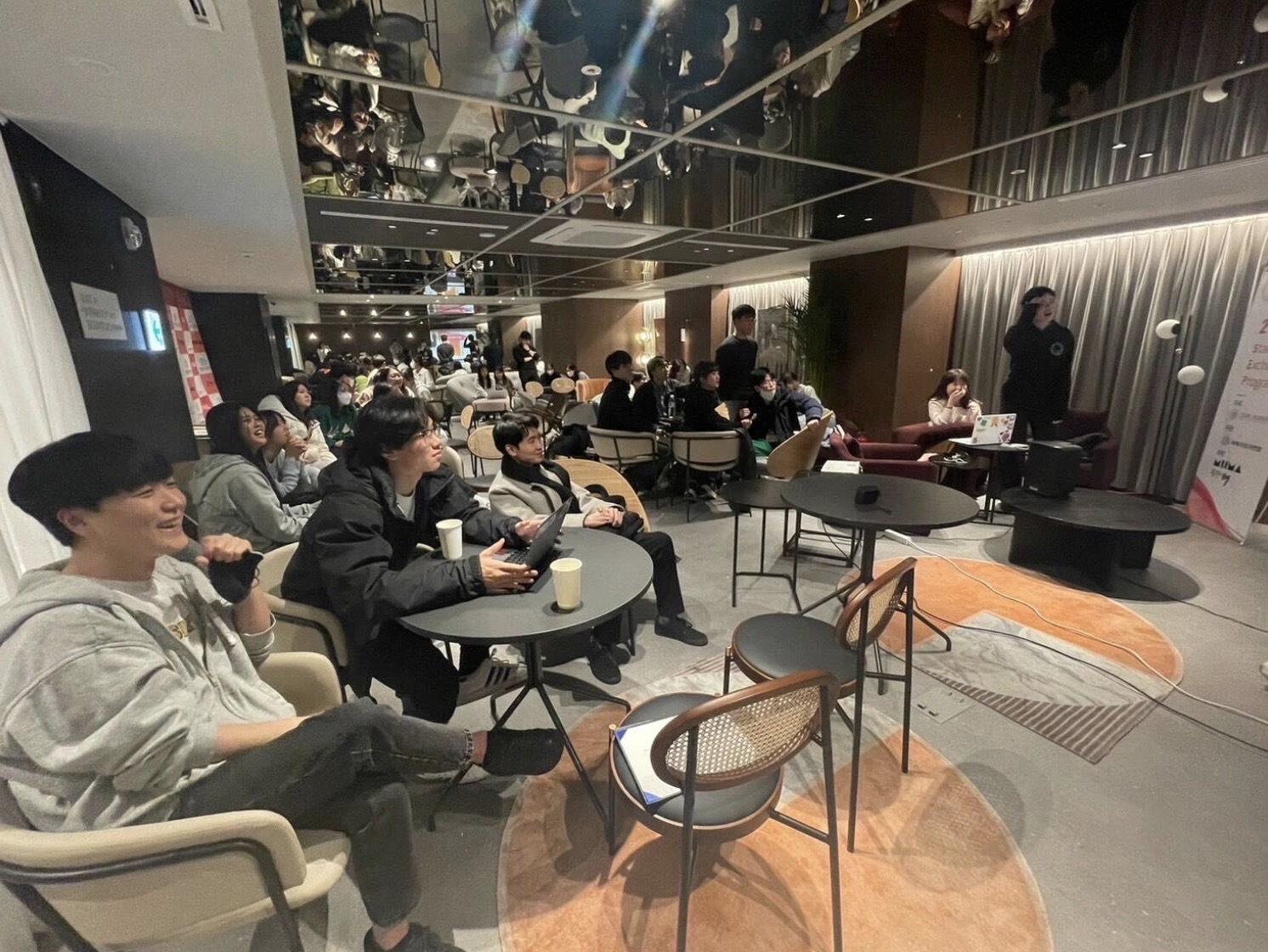
The project also includes the planning and management of the Staff Exchange Programme (SEP), an annual winter exchange event for the staff of the Executive Committee in each country.
Composition of Membership
Number of people
Around 40 students per academic year (around 20 students each spring and autumn).Grades
About half are first-year students, others second-year students, third-year students, etc.Gender balance
About 2/3 female.Enrolment period
March, April and OctoberAttribute
Eight universities including Tokyo University, Waseda-Keio, Sophia and others (at present).
Many are humanities students.
There are many returnees and international students, but even if you are not good at English, there is no problem if you want to communicate.
Many students have good communicative skills, and interactions within the group are very active.
The percentage of students who are also members is extremely high at 75%. The percentage of members who are also members of sports clubs and other international clubs is particularly high.
Many people are doing long-term internships at companies or starting long-term internships after they retire. (Just over 30% of current OVAL students).Attrition rate
The attrition rate is extremely low, partly due to the strict selection process.
Structure of Organization
How many members leave the activity in a year?
Around 10%.How much difference is there in the amount of commitment among members?
Somewhat.Do some members only come for fun and launches?
Somewhat enrolled.
Frequency of Activities
Regular activities
Plenary meeting: every Thursday @ in principle face-to-face (Komaba Campus, University of Tokyo), about 1 hour
Station meetings: after the plenary meeting, about 1 hourPeriods before and after contests/events
Station meetings increase to two or three times a week and the amount of work performed by individuals definitely increases, but it is not difficult to balance this with other activities.
Annual Schedule
March, April Spring: Welcoming of Newcomers
May: Newcomers' camp, OVAL IBC participant briefing and selection meeting
Early August: International Business Contest (IBC)
October: Autumn New welcome, selection → members decided by end of October
February: Staff International Exchange Programme (SEP)
In addition, study groups within OVAL are held several times a year
Joint events with sister organisations KING and GEIL held irregularly.
Recruitment Information
There will be selections
Eligible applicants:
University students in Kanto
Membership procedure details:
After application, students selected through a screening process of documents and interviews will join the LINE Group and Slack to confirm their membership.
Insiders' thoughts
○Pros
- You can train your English (all-English exchanges with top-level university students from China and South Korea). Depending on the bureau, you can acquire business knowledge, PR skills, design knowledge, etc.
- The program is a great opportunity to represent student organisations and interact with working people, which is often a benefit for interns and job hunters.
- The students can gain experience in planning and managing an international event with more than 200 participants, which is a big deal.
- Some generations have a lot of romantic relationships.
△Cons
- The difficulty of running an event for 200 people.
- The number of participants is limited, and the number of people who have been invited to the event is limited.
- Lack of interaction with alumni.
Recruitment Schedule
Thank you for reading this article!
We have two things to tell you.
1. We share information about events, programs, and campus life through our official LINE account (in Japanese). Please consider registering.
LINE for students enrolling in 2023
LINE for students enrolling in 2024
LINE for students enrolling in 2025
2. We accept questions here. Please feel free to ask us anything!
Related Categories

For International Students
Circles that actively accept intl. students.

ACADEMIC
academic clubs/circles for international students
Related Clubs

UTokyo Bon Dance Ci(東京大学盆踊りサークル)
Mikan Fan Club (東大みかん愛好会)
UTokyo Quadball Circle
Welcome to the sport which has got an idea from Harry Potter.
東京大学ISK
UTokyo ISK( Independent Sound of Komaba)