
Chawabiyori(茶話日和)
2025.3.27
A media outlet that communicates the people, life and culture of East Asia through interaction and dialogue with a diverse range of people.
Basic Information
| Administration | new sophomores |
|---|---|
| Number of Members | around 120 |
| Participation Grades | Students + Working adults |
| Selection Process Info | No selection |
| Annual Membership Fee | 0 yen |
| Frequency of Activities | Monthly internal social and dinner meetings, relatively free interviews, irregular online exchanges with Nanjing University and Pusan University |
| Website | |
| Official Email Address | chawabiyori[a]gmail.com (Please send an email with [a] as @.) |
A Look at Their Activities

Overview
■Philosophy/Guiding Principles/History
History
The organisation was founded a year ago, inspired by a conversation among the founding members, ‘East Asia is so close and yet so far away’. The meaning is that Japan and East Asian countries are ‘close’ in that they are physically close and closely connected in terms of politics and economics, but ‘far’ in that we don't know what kind of people actually live there. The reason for establishing an organisation that enables exchange with people from East Asia is also their awareness of two problems: the loss of opportunities to interact with the many international students at the University of Tokyo due to the Corona disaster, and the loss of learning opportunities that would have been available locally due to their inability to go to study abroad.
Philosophy/guiding principle
The vision of the group is ‘to exchange words with the people in front of us, not with a large framework such as a nation’, and it takes up the lives of people living in East Asian countries and their personal thoughts and writes articles about them.
■ Activities
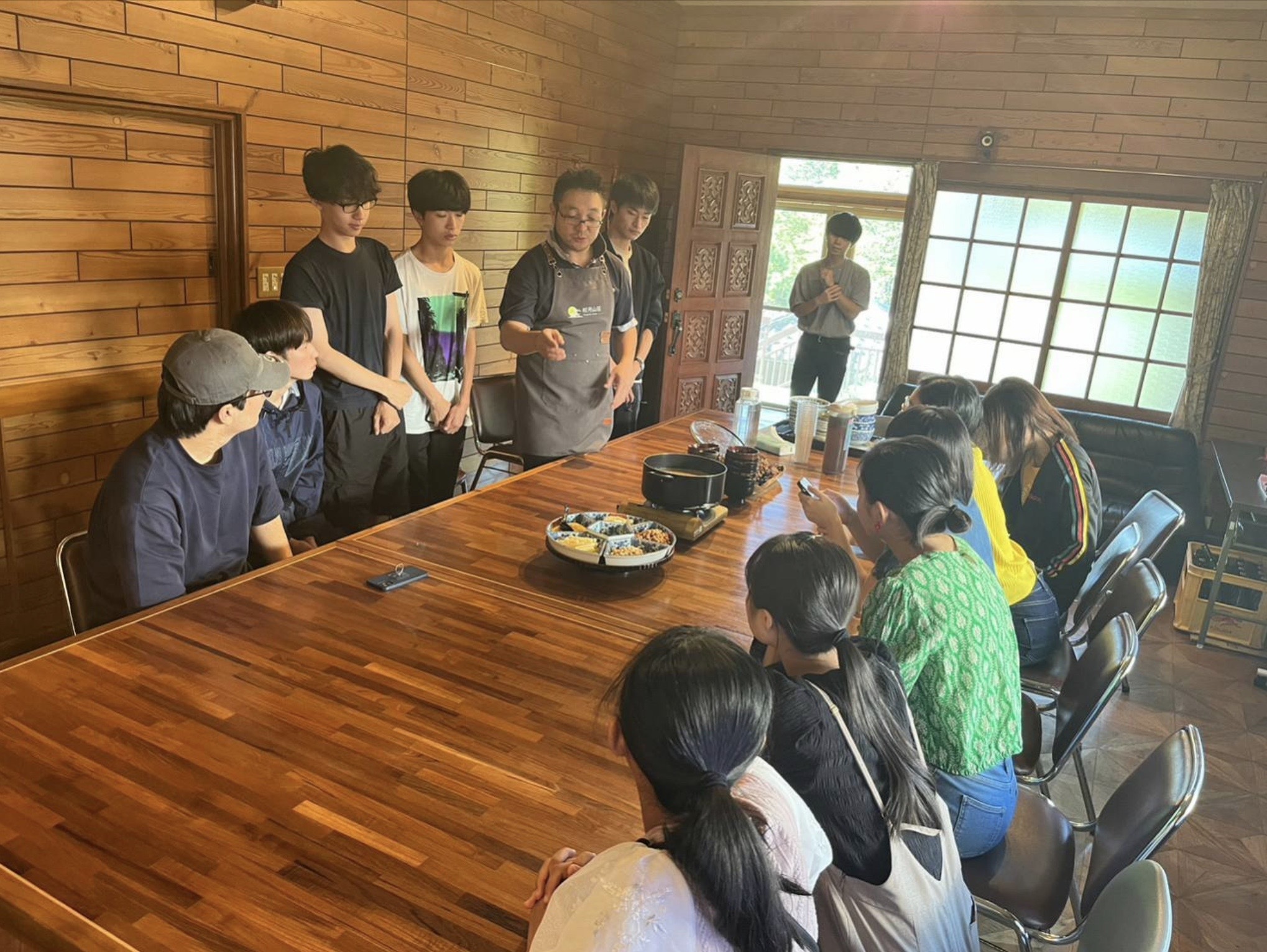
Many international students belong to the group, and they hold exchange meetings, dinners, interviews, online conferences, training camps and so on.
Each member interviews and writes articles on what they are interested in regarding East Asian culture and life, and publishes them on the website. The amount of each member's commitment is left to their own discretion, and the genres they cover include ‘Knowing People’, ‘Knowing Life and Society’ and ‘Knowing Culture’. The focus is on the people who live there, whose existence cannot be seen from a macro perspective, such as politics or the economy. At present, it mainly interviews people living in Japan.
Online exchanges continue with Nanjing University, where exchange meetings have been held regularly since late FY2021. In addition, we are also carrying out exchanges with Pusan National University. We have also been able to visit the site in person.
Composition of Membership
Number of people.
Approx. 120 (current active members: approx. 30)
Grade
25 first-year students
20 2nd year students
10 3rd year students
5 4th year students
5 postgraduate students
*Above is an approximate number.
Enforcement Substitutes
New second-year students
Ratio of men to women
About half are women.
Time of joining
Accepted all year round, regardless of grade
Attributes
90% of members are students at the University of Tokyo, with students from other universities also belonging.
About half of the members are international students (from China, Korea and other countries).
Most of the members have roots in East Asia, are majoring in East Asia-related studies, or have an interest in East Asia.
Many of them have chosen Chinese or Korean as their second foreign language.
Structure of Organization
How many members leave the activity in a year?
Basically 0% (not that many active members, but no one leaves because the decision on the amount of commitment is left to the individual).
How much difference is there in the amount of commitment among members?
There is a fair amount.
Are there members who only come for fun and launches?
There are a certain number of members.
Frequency of Activities
- Internal social and dinner meetings are held about once a month (mainly at KOMAD).
- Lunch meetings are held once a week at the Komaba campus during lunchtime.
- There are no quotas for article writing, and the members have a high degree of freedom to report on what they are interested in and write about it.
- Online meetings are held for each department (not very often).
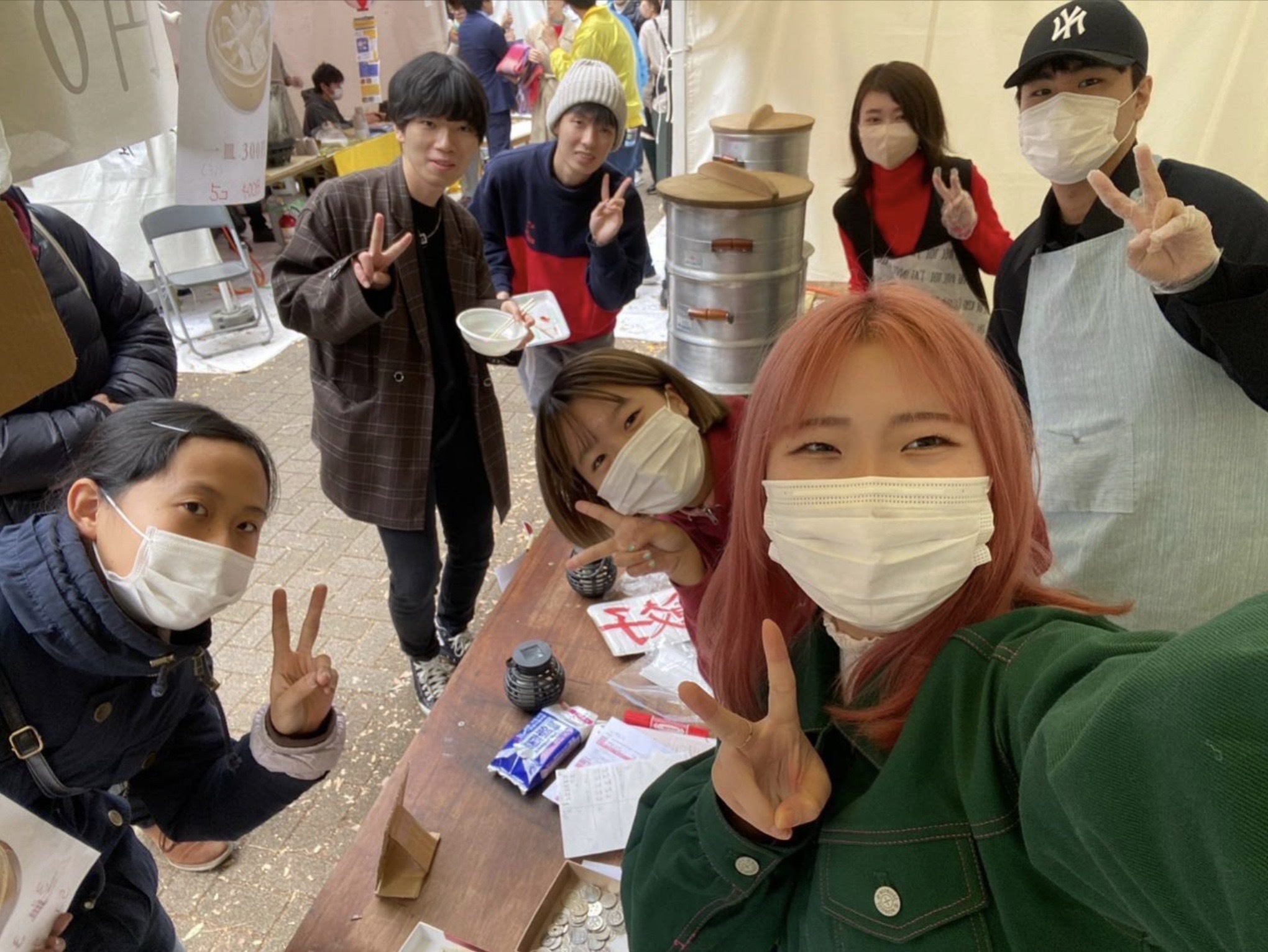
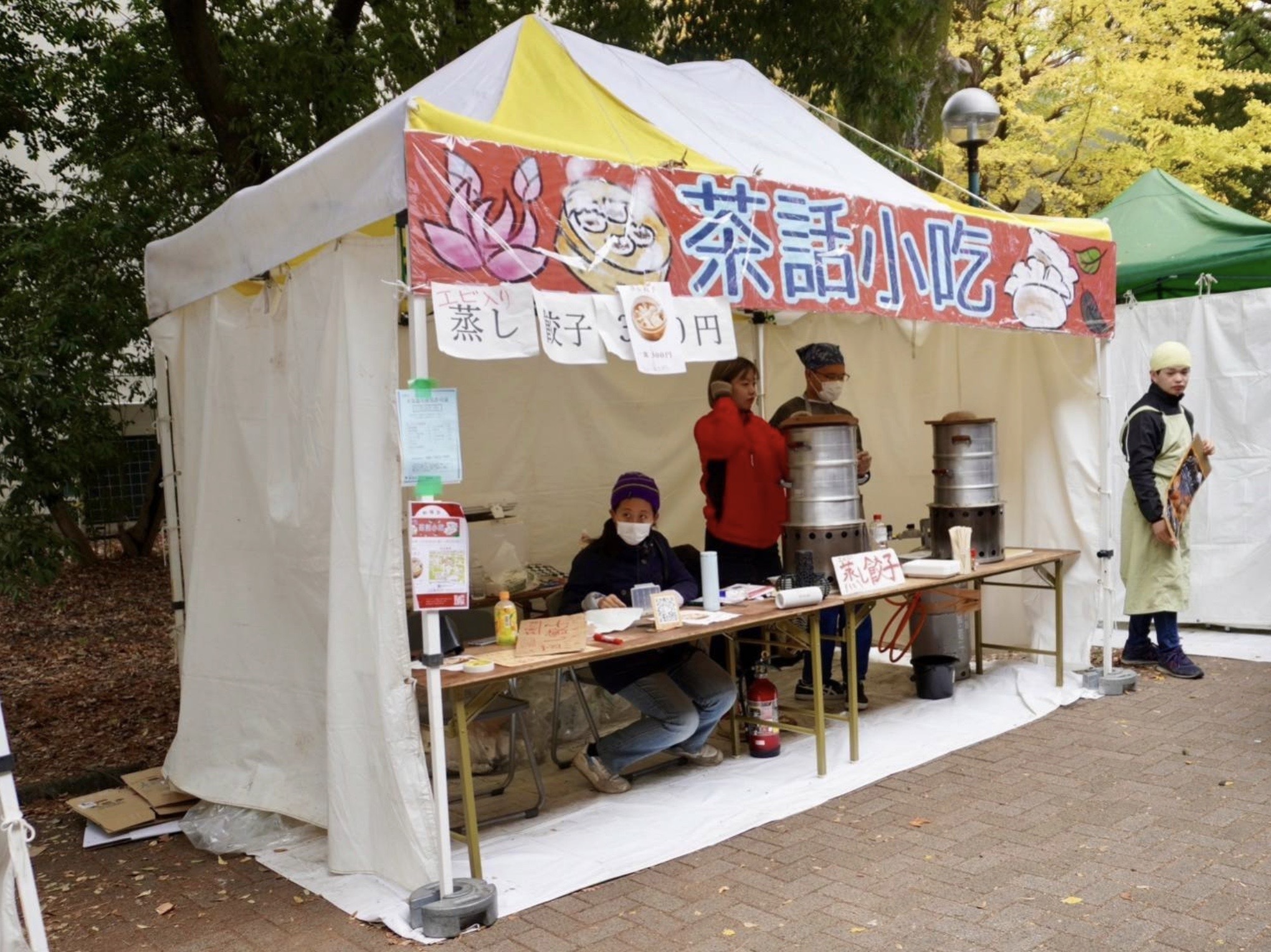
- Online exchanges with Nanjing University and Pusan University. The group has stalls at the May Festival and the Komaba Festival, serving East Asian food.
Annual Schedule
- Mar-Apr: New student recruitment activities
- May: participation in May Festival (undecided).
- June-August: Independent screenings of East Asian films
- Aug: Training camp (undecided)
- Sep: Recruitment activities for international students entering in autumn. Dec 1-Mar: Year-end and Chinese New Year exchange events
Recruitment Information
With/without selection:
None
targets
All grades
Actual membership:
A diverse range of people from all universities, grades and nationalities have joined. Currently graduate students and working professionals are also members.
Currently, graduate students and working professionals are also members.
Membership procedure details:
The members are contacted via SNS or email and invited to participate in the most recent activities. The organisation can be contacted via SNS or email at any time.
Insiders' thoughts
○Pros
△Cons
Recruitment Schedule
Thank you for reading this article!
We have two things to tell you.
1. We share information about events, programs, and campus life through our official LINE account (in Japanese). Please consider registering.
LINE for students enrolling in 2023
LINE for students enrolling in 2024
LINE for students enrolling in 2025
2. We accept questions here. Please feel free to ask us anything!
Related Categories

OTHERS
community, entertainment and so on
Related Clubs

Mikan Fan Club (東大みかん愛好会)
180Degrees Consulting Tokyo (Eng)
A student organization that provides pro bono consulting to nonprofits and other socially active organizations to help solve their challenges.
Komaba Student Union
Defend all-members university autonomy and offer walfare benefits from students’ perspective.
TGIF (Eng.)
A student group that promotes interaction among non-students and international students through various projects.